

The Crop
Why White Sandalwoodstands apart.
Unlike conventional timber, White Sandalwood develops value as the tree matures. Heartwood and essential oil make Santalum album one of the most recognised premium tree species — with a long growth cycle and limited natural supply.
- One of the world's most recognised premium tree species
- Often called “Green Gold” for its heartwood and oil
- Used across fragrance, wellness, culture and craft
- A long biological growth cycle — not a short-term crop
- Limited natural availability
- Suited to managed agroforestry, not intensive conversion
Investors
Why investors are lookingat sandalwood.
It combines ownership of a tangible agricultural holding with participation in a professionally managed plantation. Unlike instruments that move daily, this crop follows a biological cycle and is approached with patience.
Demand
Demand supported bymultiple industries.
Fragrance, essential oil, cosmetics, Ayurveda, incense, religious use, handicrafts and export markets all draw on the same species. Demand is not tied to a single application.
Fit
Is White Sandalwood rightfor every investor?
It suits people who understand long duration: business owners, professionals, NRIs, family offices and anyone seeking a tangible agricultural asset. It is not designed for short-term outcomes.
Supply
Limited supply createslong-term importance.
Long cultivation, quality requirements, natural limits and the years needed for new plantations to mature keep supply constrained. That rarity is biological — not a guaranteed price path.
Growth Cycle
Understanding the long-termnature of sandalwood.
White Sandalwood is not a short-term crop. Commercially significant heartwood generally needs 12–15 years under suitable conditions and proper management.
Years 0–3
Establishment, host plants, irrigation and root-system growth.
Years 3–7
Canopy development, nutrition and ongoing host-plant care.
Years 8–12
Heartwood begins to form under suitable conditions and management.
Years 12–15+
Commercial maturity may be reached, depending on biology, climate and care.
Silviculture
Why scientific plantationmanagement matters.
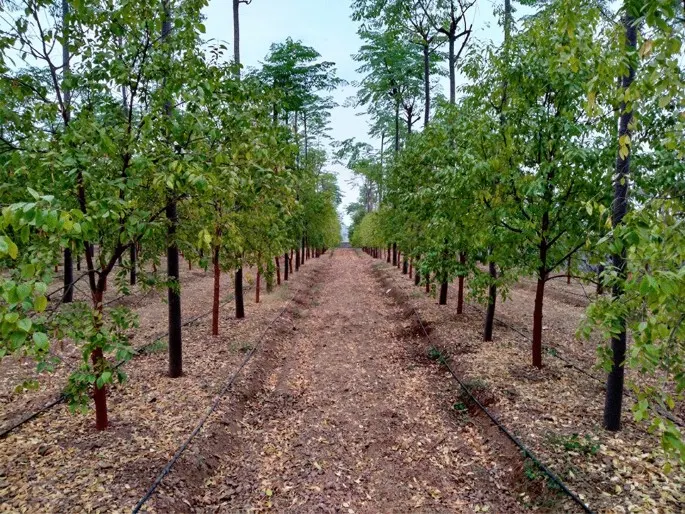
Successful sandalwood cultivation is more than putting a sapling in the ground. Host plants, water, nutrition, protection and monitoring have to run for years. BlissLand coordinates that work under the managed model.
- Selection of healthy saplings
- Suitable host-plant integration
- Soil and nutrient management
- Irrigation planning
- Pest and disease monitoring
- Plantation health assessments
- Security measures
- Long-term maintenance
The Place
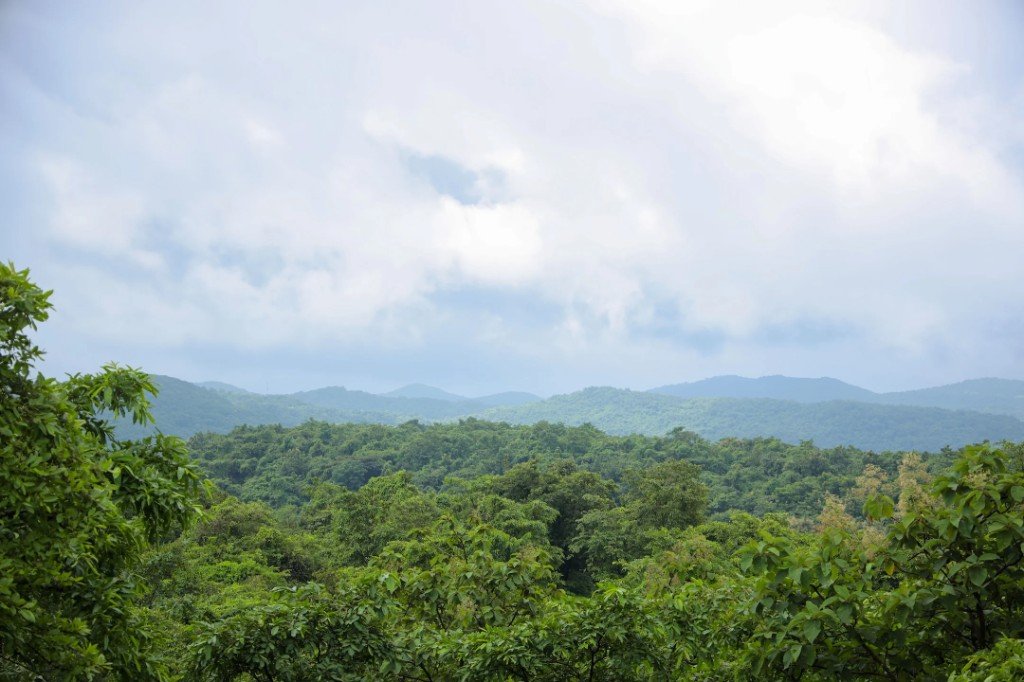
Why Konkan is well suitedto sandalwood.
Konkan climate
Humidity, rainfall and a coastal belt suited to mixed plantation.
Laterite soils
The Mandangad landscape supports tree-based agriculture when planned well.
Host ecology
White Sandalwood is hemi-parasitic. Host plants are part of the design, not an extra.
Managed estate
Konkan Kesharnath holds the crop inside a professionally coordinated plantation.
FAQs
Questions before you plant an idea.
Cultivation is permitted under applicable law. Harvest, transit, storage and sale may require permissions that vary by state. Independent legal review is recommended.
Commercially useful heartwood typically needs around 12–15 years, depending on site, host plants, irrigation and management. Timelines are silvicultural, not a contract.
The phrase reflects a long reputation for aromatic heartwood and oil. It is a description of cultural and commercial standing — not a promise of price or yield.
No. Survival, heartwood, oil content, permissions and market price vary. BlissLand does not guarantee financial returns. The work is land ownership, scientific care and long-term stewardship.
Yes. Site visits can be scheduled so you can walk the plot, see the plantation work and understand what is happening on the ground.
Why BlissLand AgroLand LLP
A plantation ecosystem,not a one-time sale.
The work is a professionally managed plantation on legally identified agricultural land — built on transparency, scientific farming and responsible stewardship.
- Premium agricultural land ownership
- Professionally managed White Sandalwood
- Transparent documentation
- Individually identified plots
- Regular plantation updates
- Sustainable farming practice
- Long-term owner support
- Environmental responsibility
